
Services02Directional well planning

The well that gets there, and stays clear of every other one.

We plan wells in three dimensions: where they start, how they bend, where they land and how far they stay from their neighbours. A plan has to be cheap to drill, easy to steer and safe against every well already in the ground.

Who it is for
Operators planning wells that are close, long or have a small target
Where we join
Before the pad is chosen, or when a plan is already drawn
What you hold after
A trajectory, an anti-collision study and the reasons behind both
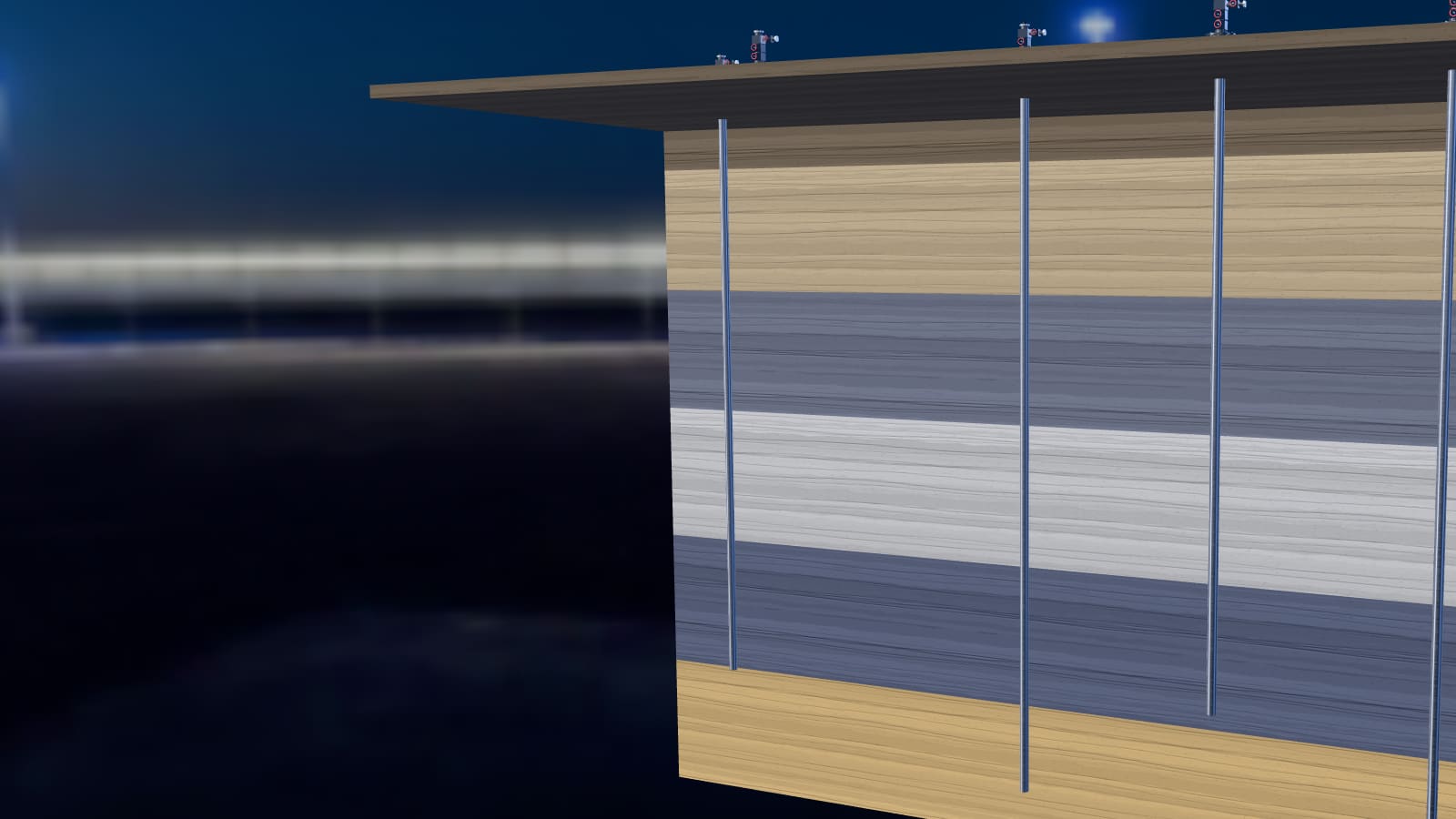
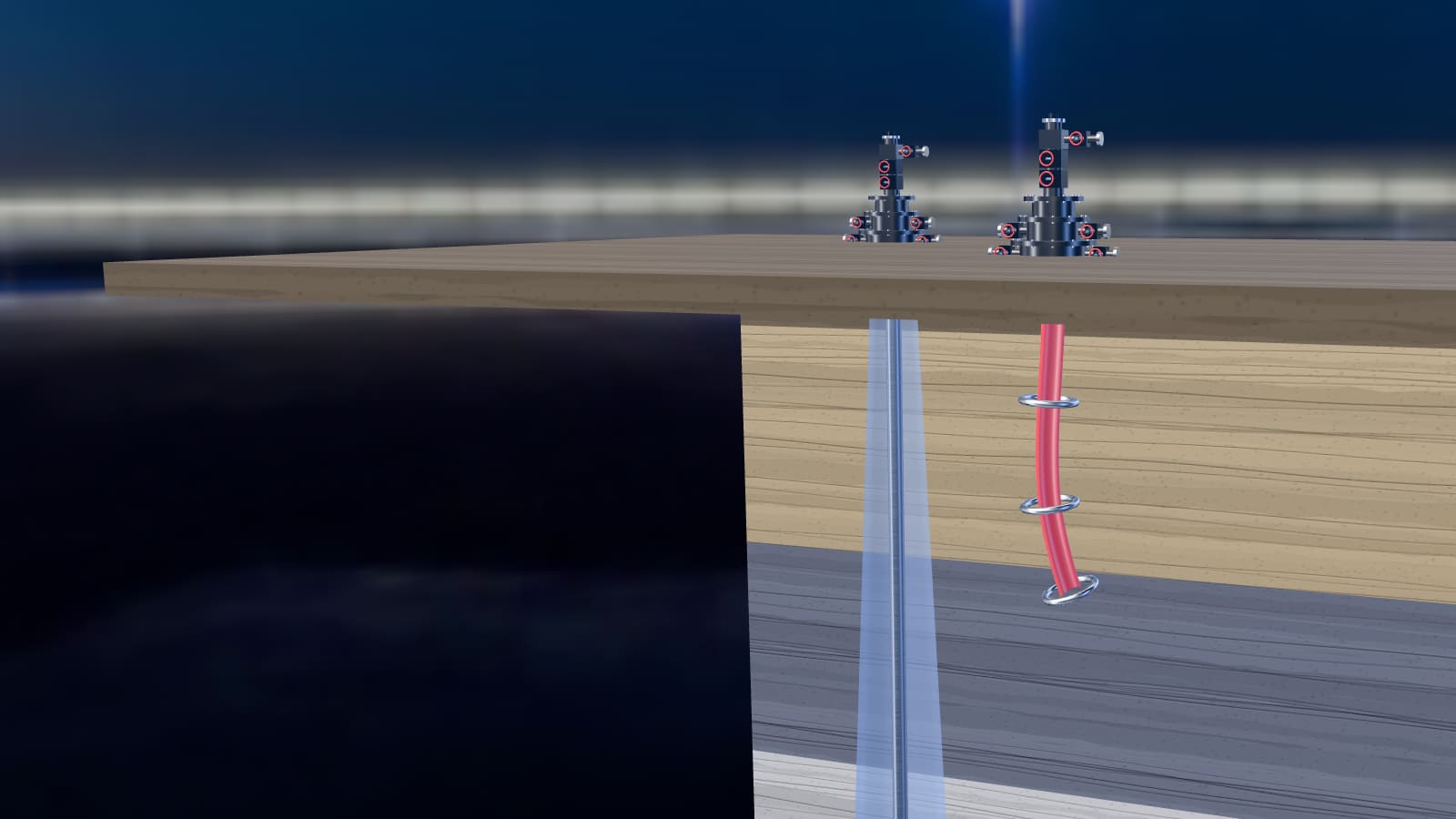
The surface location of a planned well, with the offset wells standing beside it

01Surface and target

Start from where the well is drilled, not only where it ends.

The cheapest well is decided early: where it leaves the surface and what it has to hit. We choose surface locations that make the wells shortest and easiest to drill, and place them in the best rock through planning sessions held with your team, until the plan meets your production targets.

  • Surface location, so the well is the shortest and easiest it can be
  • Target placement, iterated with you in the room
  • Field-wide bulk planning, for every surface location and target together
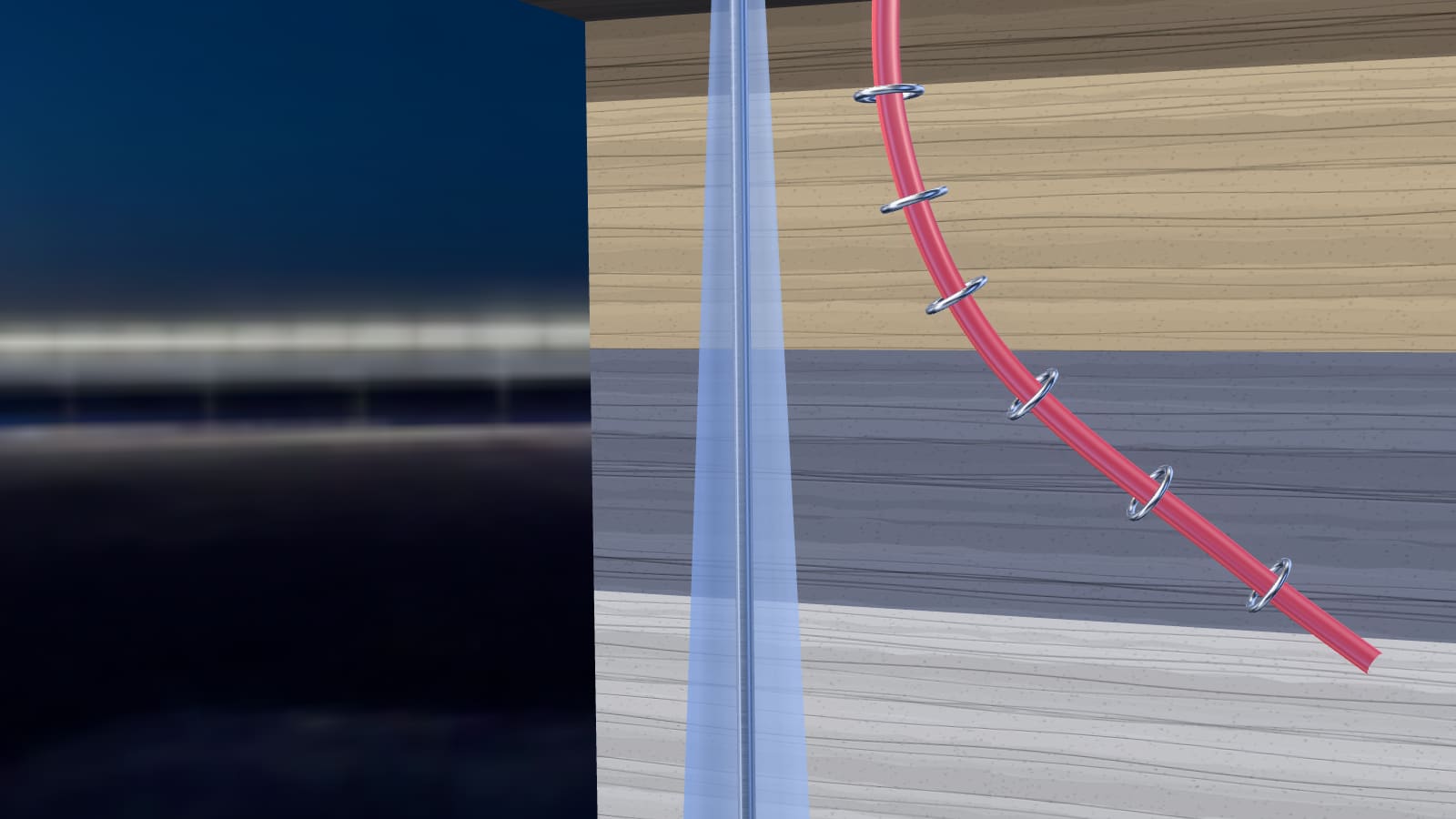
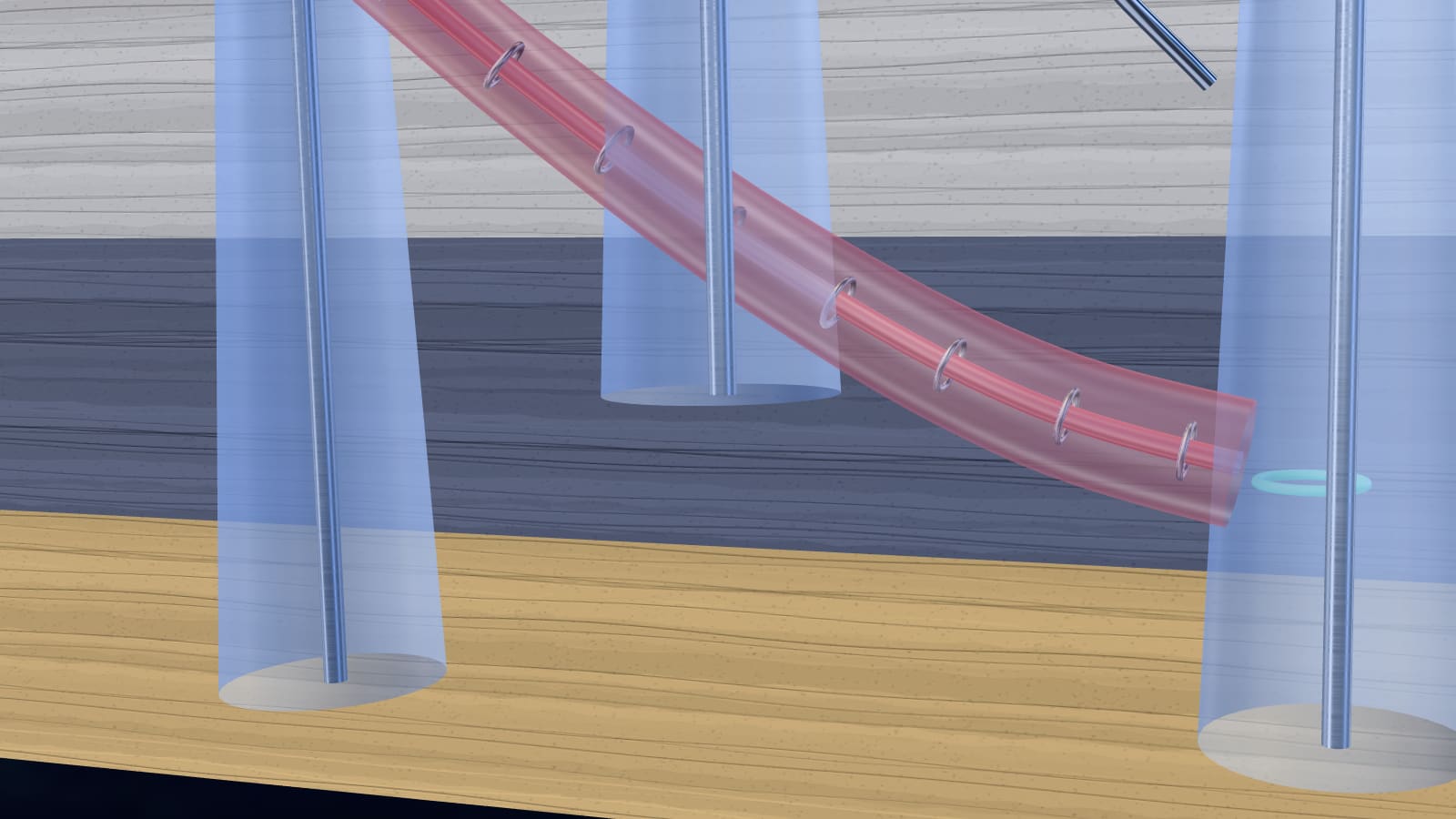
A planned trajectory built through the rock layers with a ring at each survey station

02The path

A trajectory the rig can actually drill.

A line that looks good on a plan can be hard on the rig. We check each design against the technical limits of the tools and against what your own wells have done, build wellbore stability into it, and leave room for a sidetrack or a build-up rate that comes in short.

  • Drillability checks, against limits and local experience
  • Wellbore stability, inside the plan
  • Contingencies, written in before the spud
  • Tools and services, matched to what this well needs
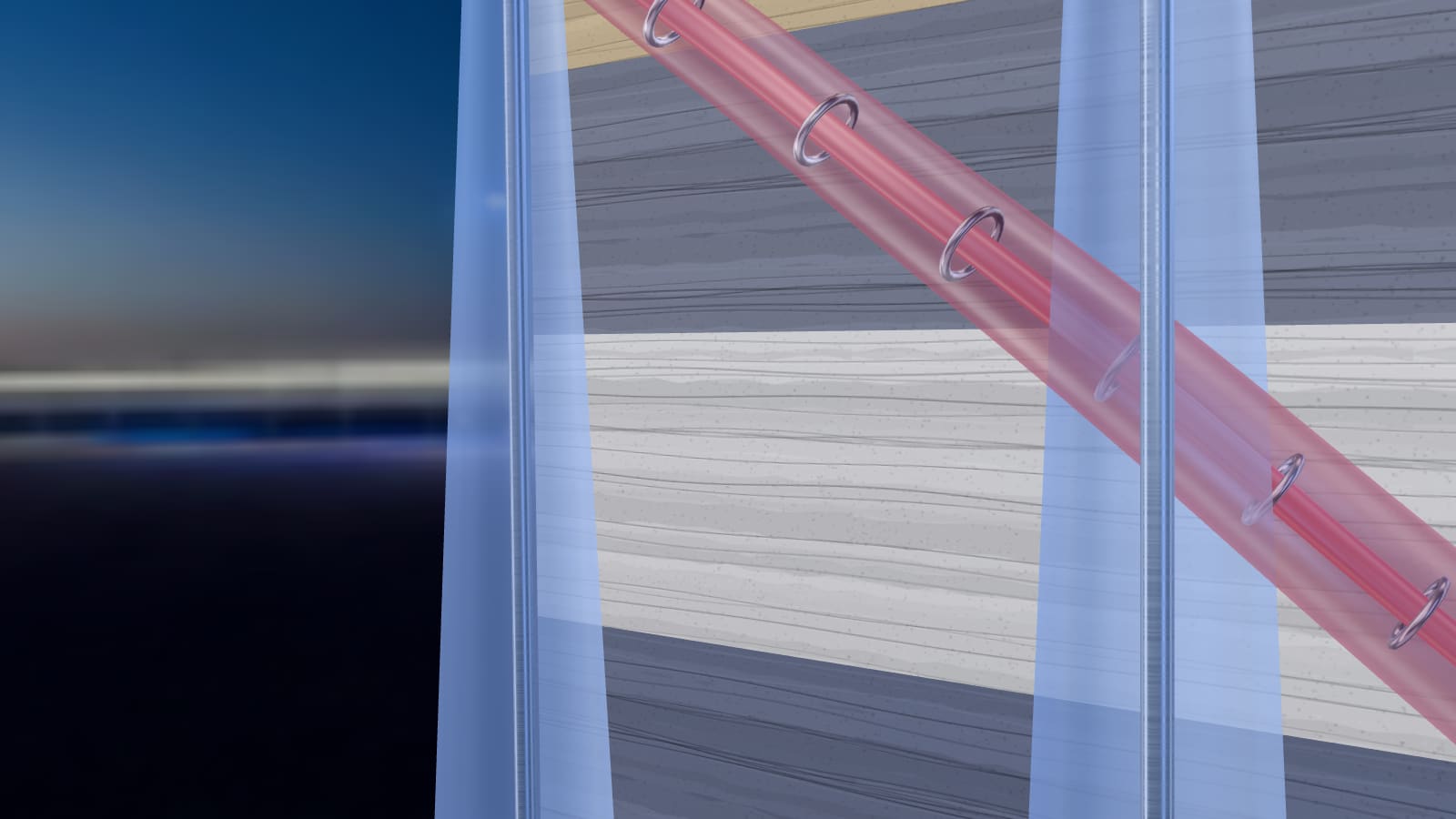
The planned well passing an offset well with the two separation envelopes almost touching

03Anti-collision

Keep every well clear of the rest.

Each well has an envelope of uncertainty that grows with depth. Two wells collide when their envelopes touch, so we plan the gap, not just the line. The study is independent, runs before the well and while it is drilled, and rests on an offset well database we have checked ourselves.

  • Pre-drill and while-drilling anti-collision
  • What-if scenarios, with mitigations written down
  • Multi-slot pads, top hole included
  • QA and QC of the directional company’s work
The planned well landing in its target, with a relief well drawn to meet it

04Unusual wells

Relief wells, twins and lateral legs.

Some wells are planned around another well. We find the surface locations a relief well could use, twin an existing well at a safe distance, plan several legs from one bore, and size a target against how well the bit can be placed in it.

  • Relief well planning
  • Twinning, at a safe distance
  • Target sizing and positional uncertainty
  • Multilateral wells, and peer review of any trajectory

What we do

Nineteen things you can ask for.

Every piece of directional work we offer, in three groups. Take one, or the whole plan.

Plan optimisation

Nine pieces of work on the trajectory itself

  1. A trajectory that fits the jobShaped to the well’s objectives, so the well that results is the cost-effective one.
  2. The right surface locationDrilling from the place that makes the wells shortest, cheapest and easiest to drill.
  3. Wells in the prized rockIterative, shared planning sessions until the plan meets or beats your production targets.
  4. Wellbore stability in the planThe stability model sits inside the plan, so problems are met on paper, not on the rig.
  5. Drillability checksCalibrated, detailed checks against the known technical limits and your own drilling experience.
  6. Contingencies built inRoom for a sidetrack, and for a build-up rate that comes in short.
  7. Actual against plannedWhen a directional tool or service disappoints: is it the operating parameters, or the plan that has to move?
  8. Field-wide bulk planningEvery planned surface location and target assignment optimised together, in the planning software.
  9. Directional tools and servicesChosen to match what this well needs, which is where large savings sit.

Collision avoidance

Five pieces of work on staying clear of other wells

  1. Independent anti-collisionBefore the well and while it is drilled, as a safety check in its own right.
  2. What-if scenariosThe cases that could go wrong, walked through before the spud, with the contingencies and mitigations written down.
  3. Multi-slot pad planningOnshore and offshore, including the top hole, where wells are closest.
  4. QA and QC of the directional contractorA second pair of eyes on their work: another layer of safety.
  5. Offset well trajectory databaseBuilt and checked in detail, so the anti-collision numbers can be trusted and there are no surprises.

Other well planning

Five pieces of work for the unusual wells

  1. Relief well planningFinding the surface locations a relief well could be drilled from.
  2. Twinning an existing wellA new well alongside an old one, at a safe distance.
  3. Trajectory reviewA peer review of a plan, to find cost to take out or a design to improve.
  4. Target sizing and positional uncertaintyHow big the target is, and how well the bit can be placed in it.
  5. Multilateral planningSeveral legs from one well, planned together.

Start

Send us the plan. We will check it against every neighbour.

A trajectory, a pad layout, or only the question. We read it and tell you where we would look first. Every engagement is strictly confidential.