
WellOptima AIToolMD, in WellOptima AI
Every tool run, read and assessed.
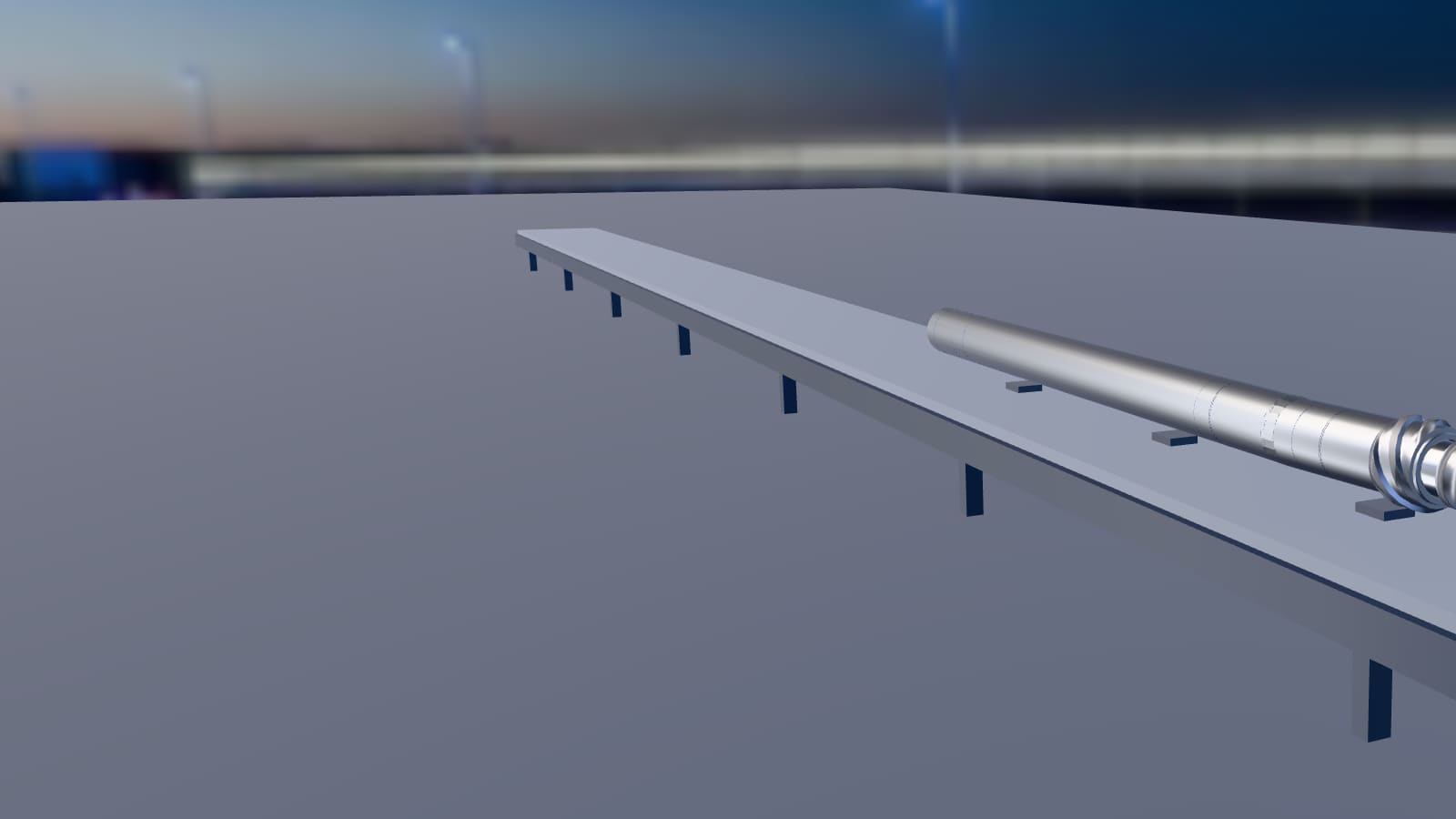
ToolMD looks after downhole tools: mud motors, and MWD and LWD tools. After a run it reads how the tool was run and gives one maintenance level for it, with the evidence behind it. The rig knows whether the tool can run again. The shop knows how deep the work goes.
- Tools
- Mud motors, and MWD and LWD tools
- It reads
- How the tool was run, and what inspection found
- It gives
- One maintenance level, with its evidence, for an engineer to review
01The run
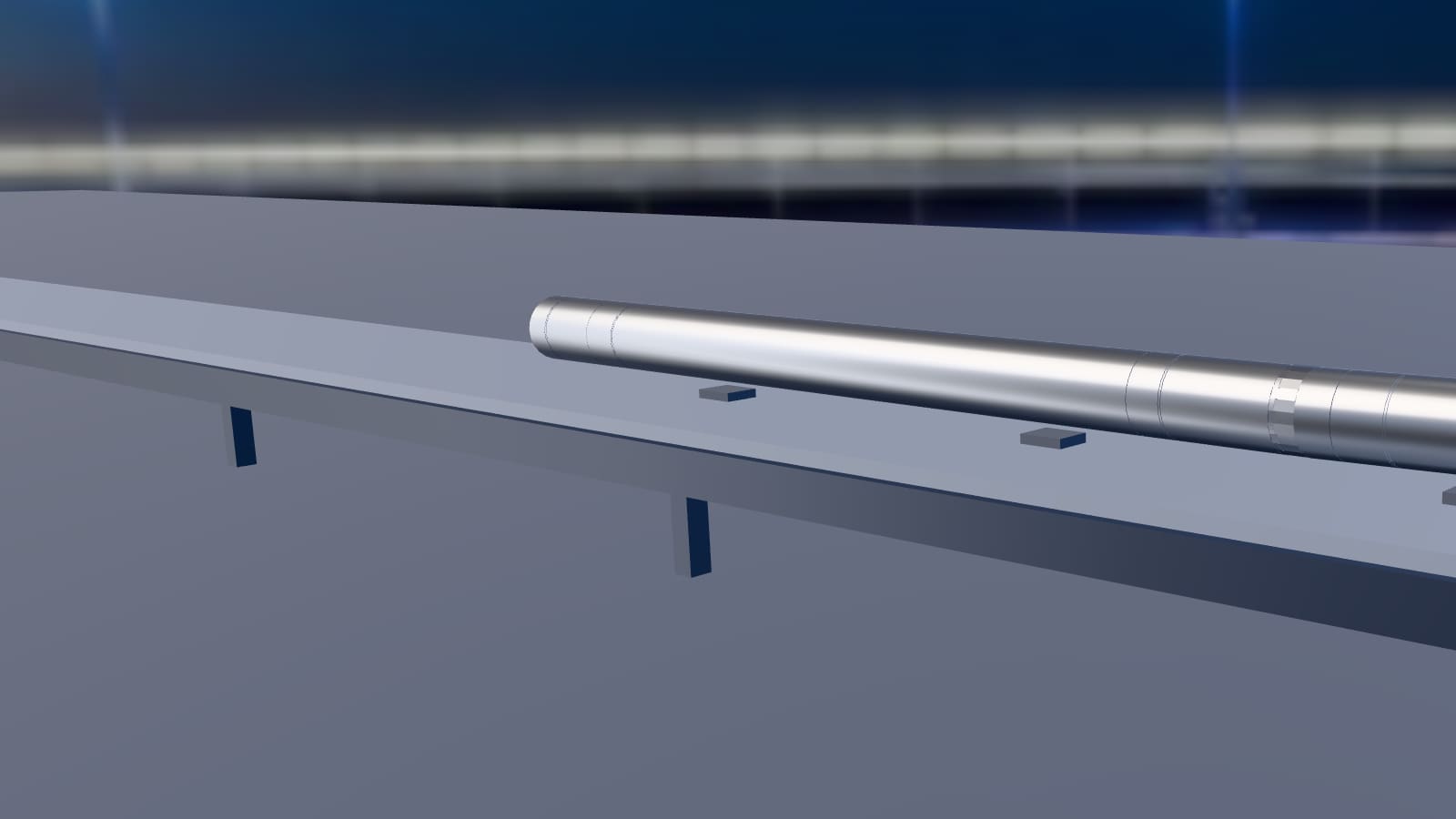
A tool comes off the rig with a run behind it.
Every run leaves evidence: how the tool was operated, whether it stalled, whether it was jarred, what inspection found. ToolMD reads that evidence, so the decision does not rest on memory or on a single report.
- Operating exposure, stalls and jarring, for a mud motor
- Inspection evidence, for the power section and the bearing section
- Sensor and module findings, for an MWD or LWD tool
02Opened
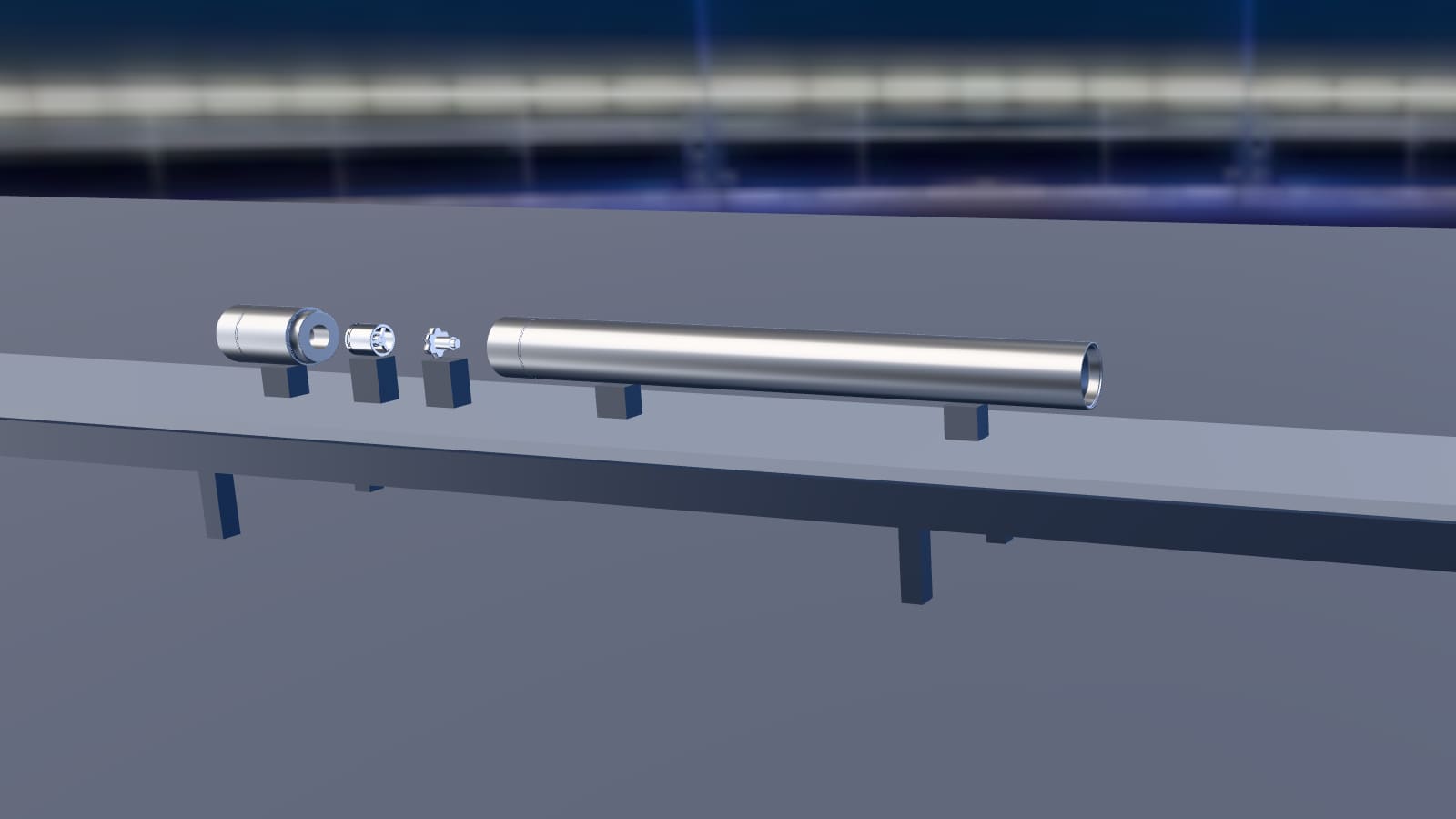
Then the tool is opened, part by part.
This is a mud motor on the site’s own model, taken apart in teardown order. The top sub goes first. Each part slides off along the axis, rises off the bench, and gets a card: its name, its section, and the lowest maintenance level that touches it.
- Top sub, with the float valve and the rotor catcher
- Power section, the stator, its elastomer liner and the rotor
03Transmission and bearings
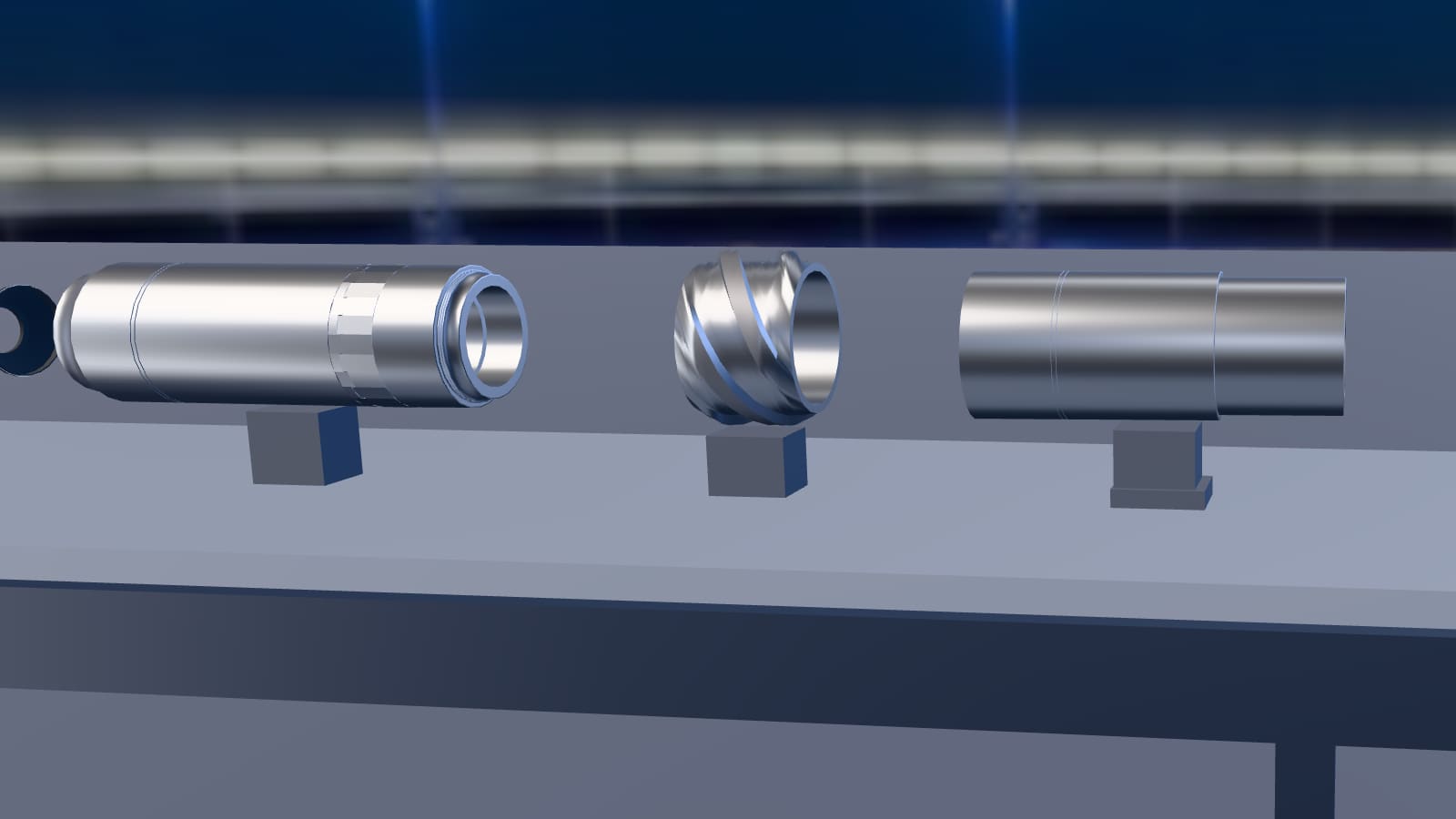
The drive end has the most to wear.
Below the power section the motor passes its turn through the transmission and the bent housing, then carries the loads in the bearing section. This is where level 1 work happens: the bearing pads and the external seals.
- Transmission, joint seals and boots, bent housing
- Bearing section, sleeve stabiliser, bearing housing, flow restrictor, bearing pads, bearing pack, external seals and bearing mandrel
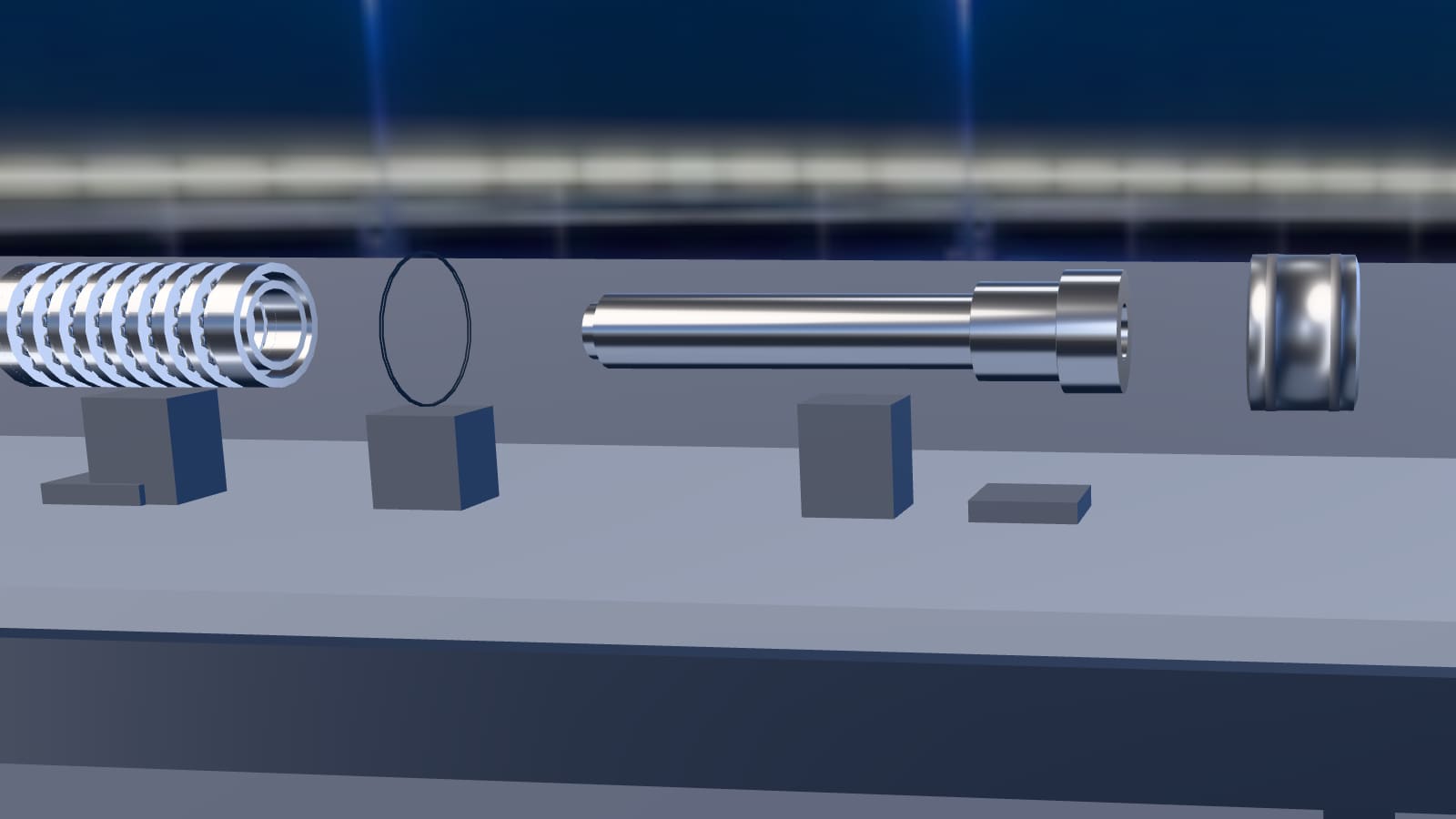
04Every part, a level
Each part has the level that first touches it.
ToolMD gives the tool one level, built up from its components. A bearing pad is level 1 work. A rotor is level 2. Taking the whole motor down to its bit box is level 3. The levels are next.
- Seventeen parts, in the product’s own teardown order
- One card each, listed in full under “The parts” below
Maintenance levels
Three levels, built up one on another.
Names and tasks are the product’s own, for a mud motor. Every level starts with teardown, clean and visual inspection, and ends with reassembly to the component table and a function test.
Level 1 sits at the base. Level 2 settles onto it, and level 3 onto that.
L1, Minor shop maintenance
- Replace bearing pads
- Greasing
- Replace external seals
- General redressing
PartsBearing pads and external seals
L2, Change or repair parts
- Replace or service the power section and rotor
- Replace or service the sleeve stabiliser
- Replace or service the flow restrictor
PartsStator, elastomer (stator liner), rotor, sleeve stabiliser and flow restrictor
L3, Full refurbishment and overhaul
- Complete teardown
- Rebuild all internal motor components
- Recertification
PartsEvery part of the motor
Includes all level 1 and level 2 work.
Rig to shop
Who does what, from the hole to the bench.
Three steps in the product: diagnose, review the evidence, plan the maintenance. Each step has its own person.
Diagnose
Rig or shop
The tool comes out of the hole.
Someone starts a diagnostic and says whether they are at the rig or in the shop. ToolMD checks that the data is ready.
Rig or shop
The run is registered and its files attached.
The well, the section, the run and the BHA, with the tool records and the files of the run.
ToolMD
ToolMD reads the evidence.
It raises findings, and ties each one to the data behind it.
ToolMD
ToolMD assesses the tool.
A level for each component, then one for the tool, and the rig’s answer on running it again. Mud motor and MWD/LWD are assessed separately.
Review evidence
Engineer
An engineer reviews it.
Accept a finding, record an override with a reason, or ask for verification before approving a recommendation.
Plan maintenance
Engineer, then rig
The summary goes out.
The decisions are recorded and the summary is exported. A tool that is not cleared goes to the shop with it.
Shop
The shop does the work of that level.
Teardown, clean and visual inspection, the level’s tasks, then reassembly and a function test.
In and out
What it reads. What it gives back.
ToolMD recommends. An engineer reviews each recommendation before it becomes shop work.
It reads
- Mud motorOperating exposure, stalls and jarring, with the inspection evidence for the power section and the bearing section.
- MWD and LWD toolsSensor and module findings, with the source evidence, and what still needs verifying kept in view.
- The runThe BHA, the tool records and the source files that support the assessment.
It gives back
- One level for each toolBuilt up from its components. Mud motor and MWD/LWD are assessed separately.
- An answer for the rigA rig disposition: whether the tool can run again.
- Findings with their evidenceEach finding is tied to the data behind it, so it can be checked.
- An engineer’s review, on recordFindings accepted, overrides with their reasons, verification requested.
- A summary for the shopExported, so the shop knows how deep the work goes.
The parts
Seventeen parts, in teardown order.
The motor on this page, part by part. The level is the first one that touches the part.
Top sub
- 01Top subThe upper housing. It makes up to the drill string and holds the float valve and the rotor catcher.Level 3
- 02Float valveA check valve that lets mud in and keeps well fluids and cuttings out of the motor.Level 3
- 03Rotor catcherDoes nothing while the motor is whole. If a housing connection parts, it holds the lower motor so it comes out with the string.Level 3
Power section
- 04StatorThe steel tube of the power section, lined with moulded elastomer. It stands still.Level 2
- 05Elastomer (stator liner)The rubber inside the stator. It seals each cavity against the rotor.Level 2
- 06RotorA chromed steel shaft. The mud forces it to roll round the stator bore, and that turns the bit.Level 2
Transmission
- 07TransmissionA drive shaft with a joint at each end. It turns the rotor’s orbit into plain rotation.Level 3
- 08Joint seals and bootsKeep the grease in the joints and the mud out.Level 3
- 09Bent housing (AKO)The adjustable housing. It sets the angle between the motor and the bit.Level 3
Bearing section
- 10Sleeve stabiliserA bladed sleeve on the bearing housing. It centres the lower end of the motor in the hole.Level 2
- 11Bearing housingThe outer housing of the bearing section. It carries the string’s weight and side loads to the bearings.Level 3
- 12Flow restrictorMeters the small share of mud that cools and flushes the bearings.Level 2
- 13Bearing padsThe radial bearings. They take the side load and keep the mandrel centred.Level 1
- 14Bearing packThe thrust bearings on the mandrel. They carry weight on bit, and the thrust of the mud when off bottom.Level 3
- 15External sealsThe seals on the housing connections.Level 1
- 16Bearing mandrelThe hollow shaft through the bearing section. It turns the bit and carries the mud to it.Level 3
Bit box
- 17Bit boxThe box connection where the bit makes up.Level 3
Sleeve stabiliser is spelt as this site spells it. The motor is drawn wider than life so it reads on a screen.
Questions
What a tools manager asks first.
Where an answer is not published yet, it says so.
Which tools does it cover?
Mud motors, and MWD and LWD tools. They are assessed separately. For any other tool, ask us.
Which motors: sizes, makes, lobe configurations?
We have not published a list. The motor on this page is the site’s own model, not a statement about any one make. Ask us about yours.
What do I have to give it?
The files of the run: what the tool recorded, the surface data, the BHA and tool records, and the inspection evidence. The formats it accepts and the least it can work with are not published yet. Ask us.
Who decides, the software or my engineer?
Your engineer. ToolMD recommends. The engineer accepts a finding, records an override with a reason, or asks for verification before approving the recommendation.
How does it choose a level?
From how the tool was run and what inspection found, component by component. The criteria and limits are the product’s method and are not shown here.
Does it tell the rig whether the tool can run again?
Yes. The rig’s answer on running the tool again is part of the result, with the evidence behind it.
Does it keep each tool’s history by serial number?
What it records for each tool over time is not published yet. The engineer’s review is kept on record. Ask us for the rest.
Will it work with my maintenance or asset system?
No connection to a named system is published. Tell us what you use.
How good is it? Has it been checked against real teardowns?
We do not publish an accuracy figure. Book a demonstration and put the question to us there.
ToolMD
Let us show you how ToolMD can work for your tools.
Tell us which tools you run and what you need to decide after a run. We will show you the result on a demonstration.