
Services07Geothermal well engineering
A well built to be hot for decades.
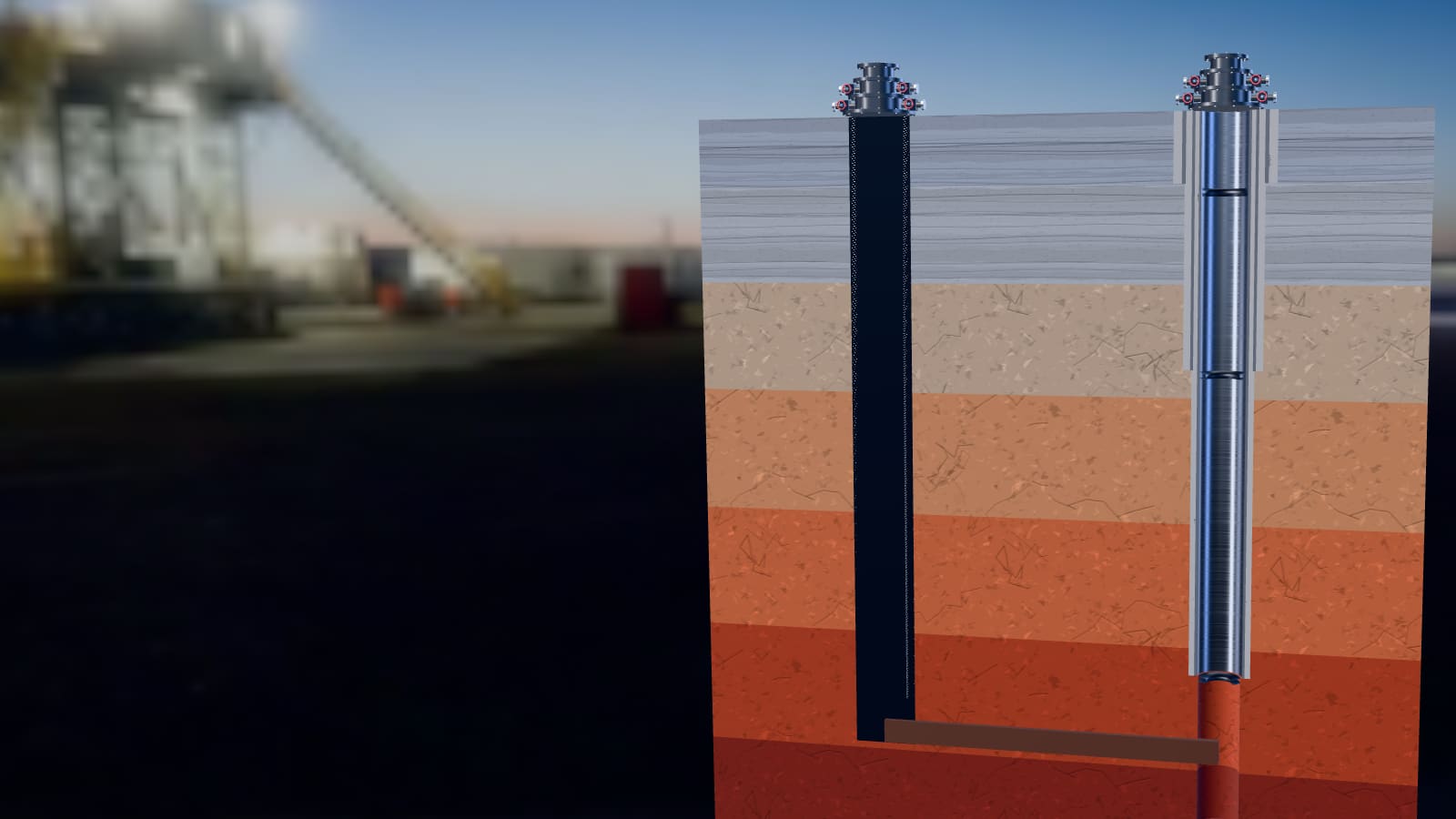
Geothermal wells use the tools of oil and gas, but the rock, the heat, the flow and the fluid are different, and they decide the design. We engineer wells for those conditions, and we rebuild designs that were not made for them.
- Who it is for
- Geothermal developers and power producers
- Where we join
- At design, or when an existing design has to be reviewed
- What you hold after
- Wells designed to survive their own temperature and flow
01The rock
Hard, broken rock, not soft layers.
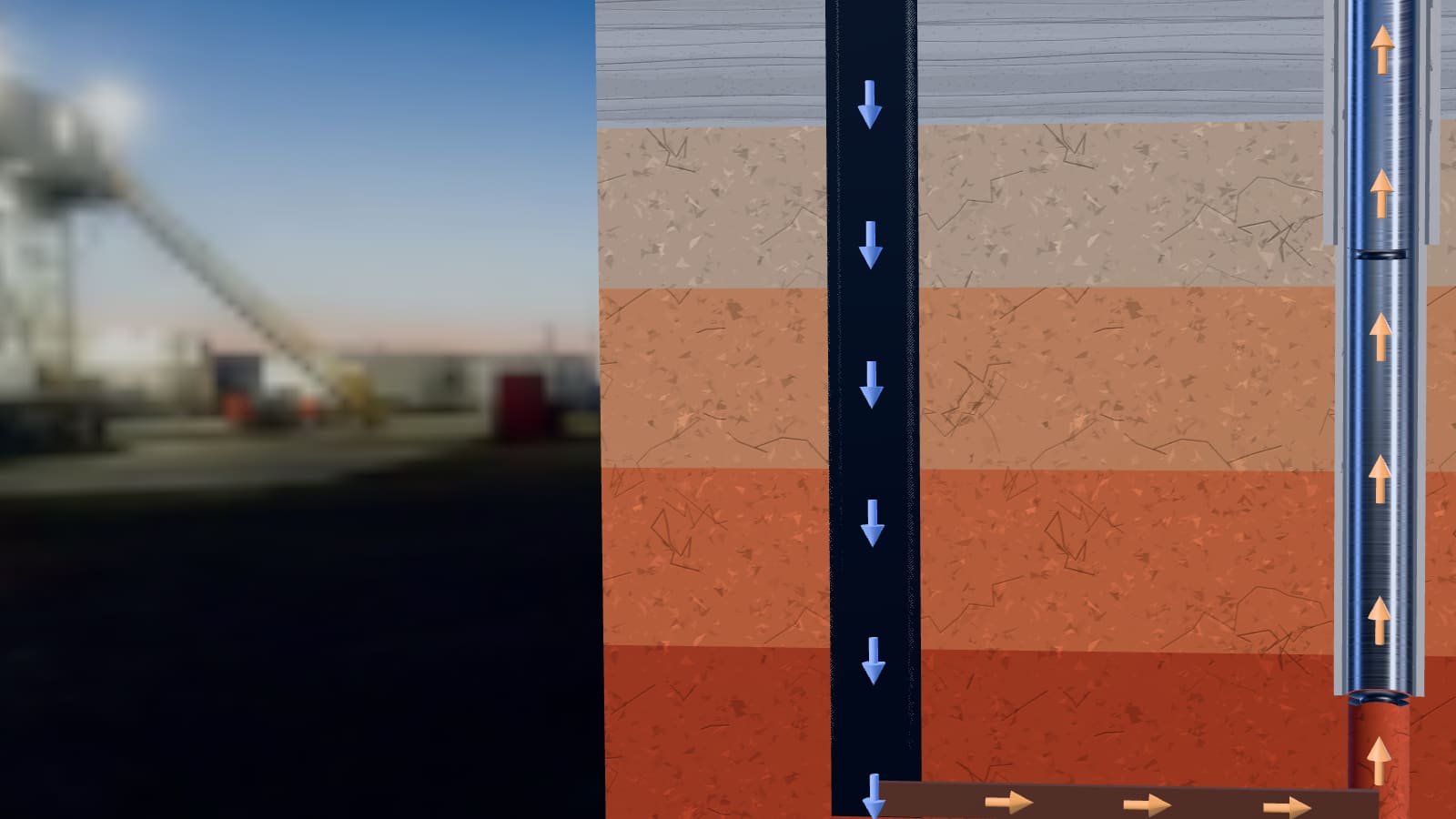
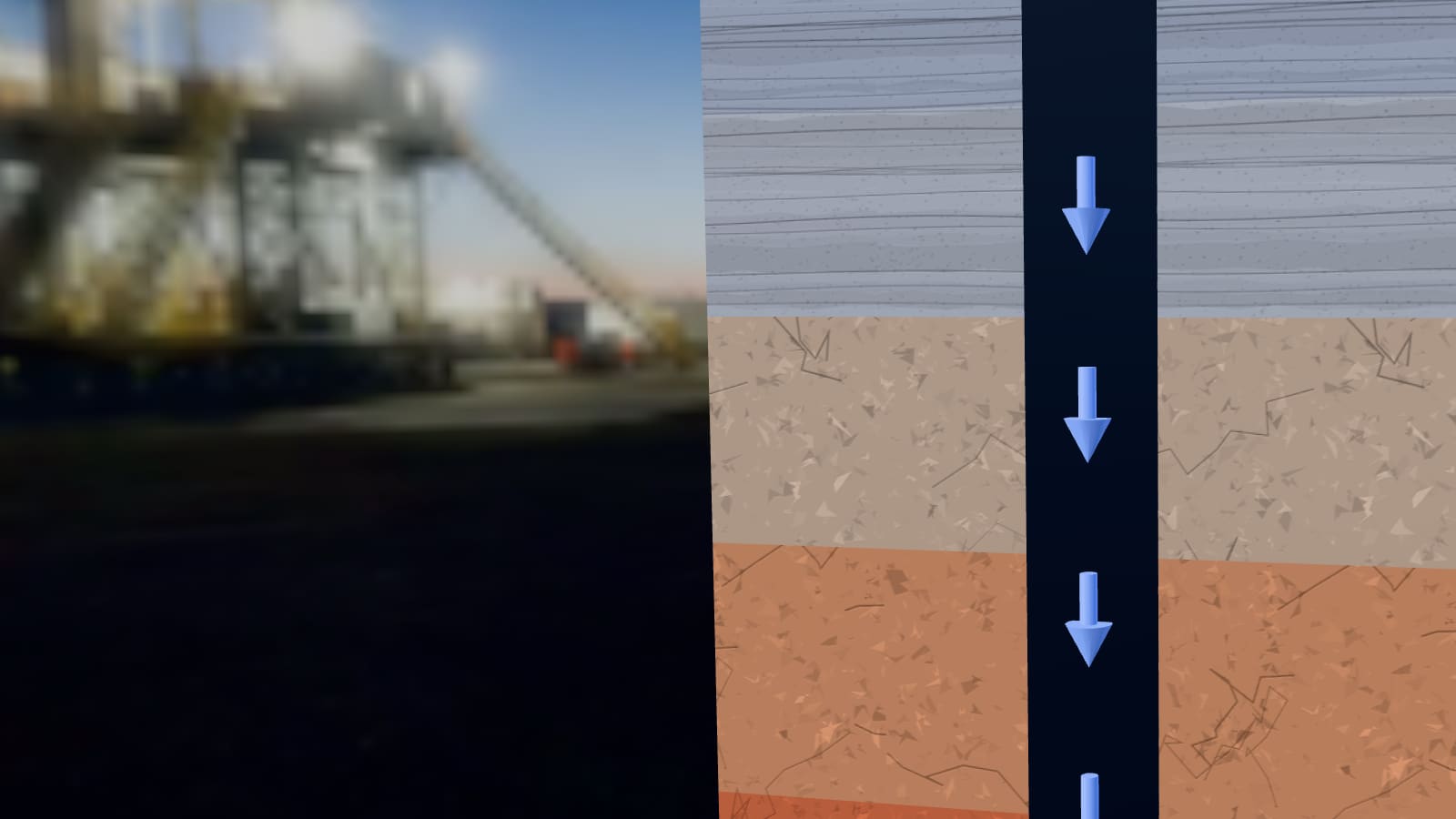
Geothermal wells mostly go through volcanic, intrusive and metamorphic rock, not the soft layers most wells see. It is normal to cross faulted and fractured zones, and each crossing is a challenge for the drilling.
- Volcanic, intrusive and metamorphic rock
- Complex faulted and fractured zones, crossed as a matter of course
02The heat
Every part of the well is pushed to its limit.
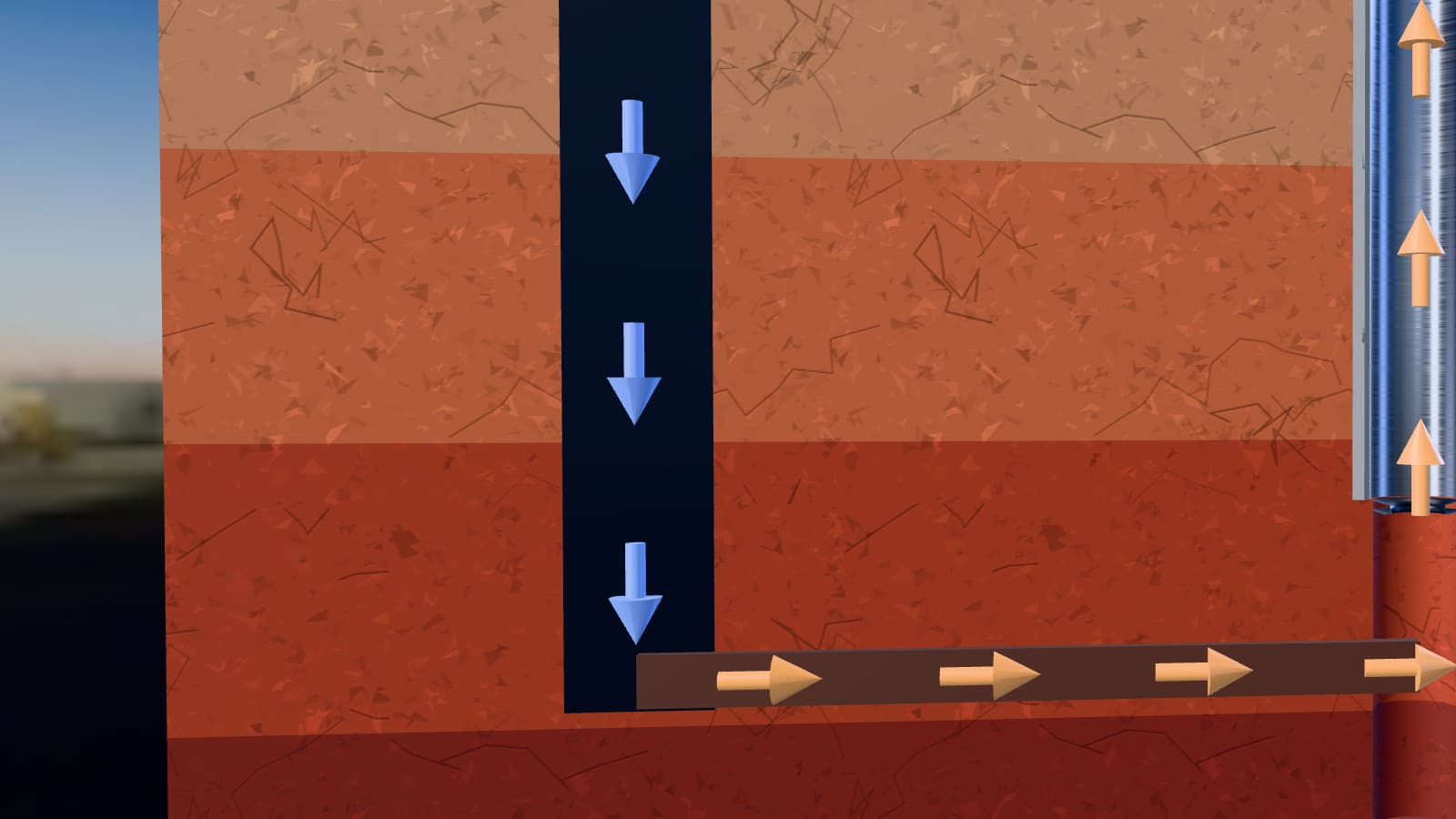
Temperatures run from 150 °C to 350 °C and above. That needs specialist downhole tools, fluids and cements. Casing strings, connections, the wellhead, the cement sheath and the drilling fluid are all taken to their technical limits, so detailed thermal loading simulations are not optional.
- Tools, fluids and cements made for the heat
- Thermal loading simulations, detailed and complete
- Life-cycle loading cases at ultra-high temperature
03The flow
The flow does not stop, so neither can the well.
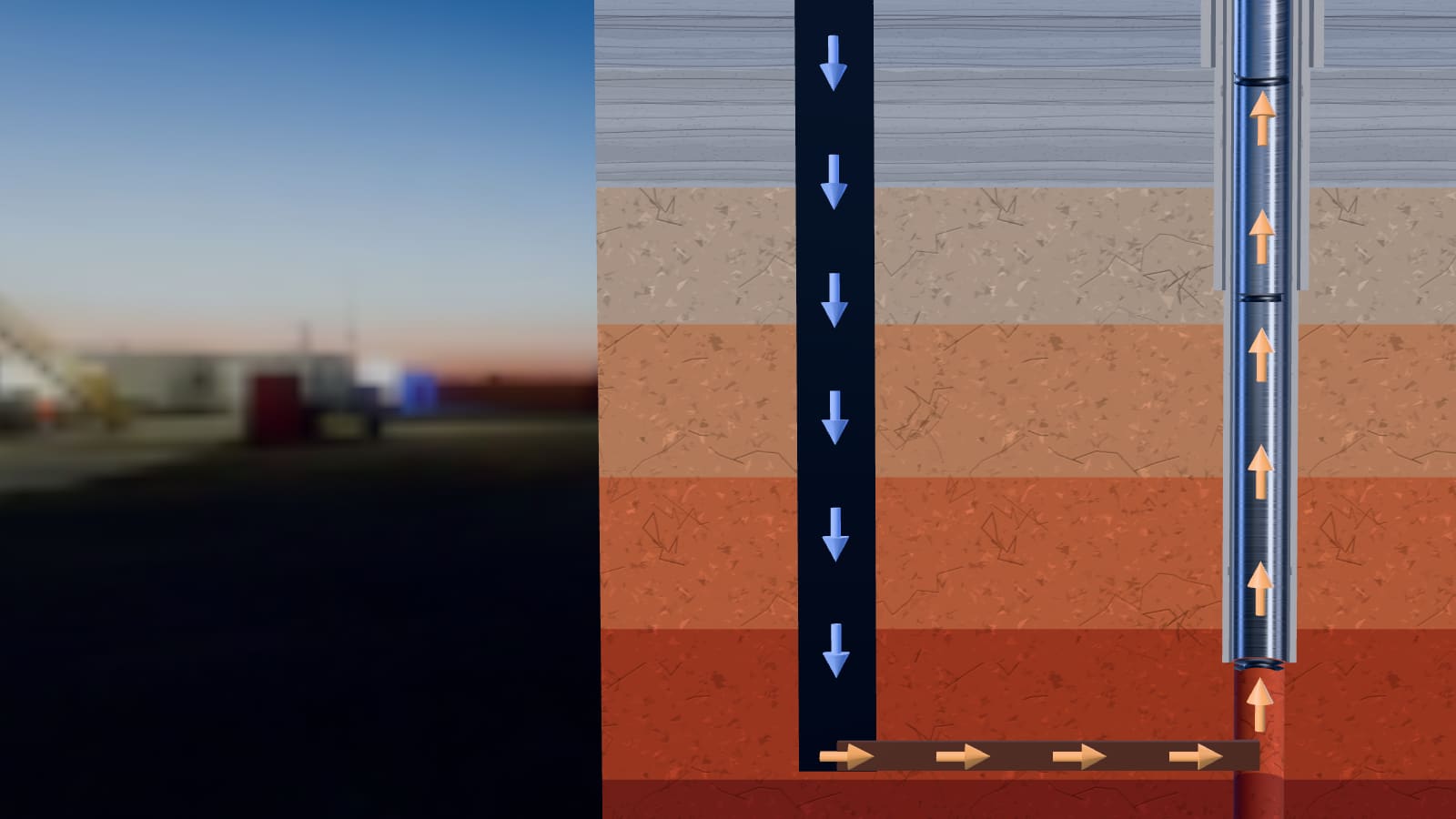
A geothermal producer is expected to flow at a high rate for decades, with averages around 50,000 barrels a day. The well has to be designed for integrity and for a long life. Smaller rigs are often used, and they put their own limits on the drilling parameters.
- Sustained high flow rates, for decades
- Designed for integrity and longevity
- Smaller rigs, with tighter operating limits
04The fluid
What comes up is hard on steel and on people.
Geothermal fluid carries dissolved solids in varying amounts, and corrosive gases such as carbon dioxide and hydrogen sulphide. Both are a risk to the people on site, and both can fail downhole tools, casing and wellhead equipment.
- Dissolved solids, in varying concentration
- Carbon dioxide and hydrogen sulphide, a risk to people and to equipment
Case study
One review, two wells, rebuilt from scratch.
One of Europe’s largest geothermal power producers asked us to look at the designs for two wells. They were not suitable for drilling. We rebuilt both.
- New trajectoriesBrand new, optimised well trajectories, built with the subsurface team.
- Engineering of every sectionA full well engineering analysis of every section of both wells.
- What to buyA detailed list of the technologies and the well construction items and components needed.
- Safety and integrity simulationsAnti-collision, cementing optimisation, casing wear and well control analyses.
- Risks and mitigationsThe key drilling and well risks captured, each with a possible mitigation.
- The end of the wellsCost-effective plugging and abandonment designs for both geothermal wells.
The redesigned wells went through all the decision gates and were planned for drilling at the start of 2022. Several geothermal wells elsewhere have failed to deliver because their casing, cement or surface equipment was damaged. That is why every geothermal well needs its own specialist design.
Start
Send us the design. We will heat-test it on paper.
A new well, or a design that has not yet been through the heat. We read it and tell you where we would look first. Every engagement is strictly confidential.