
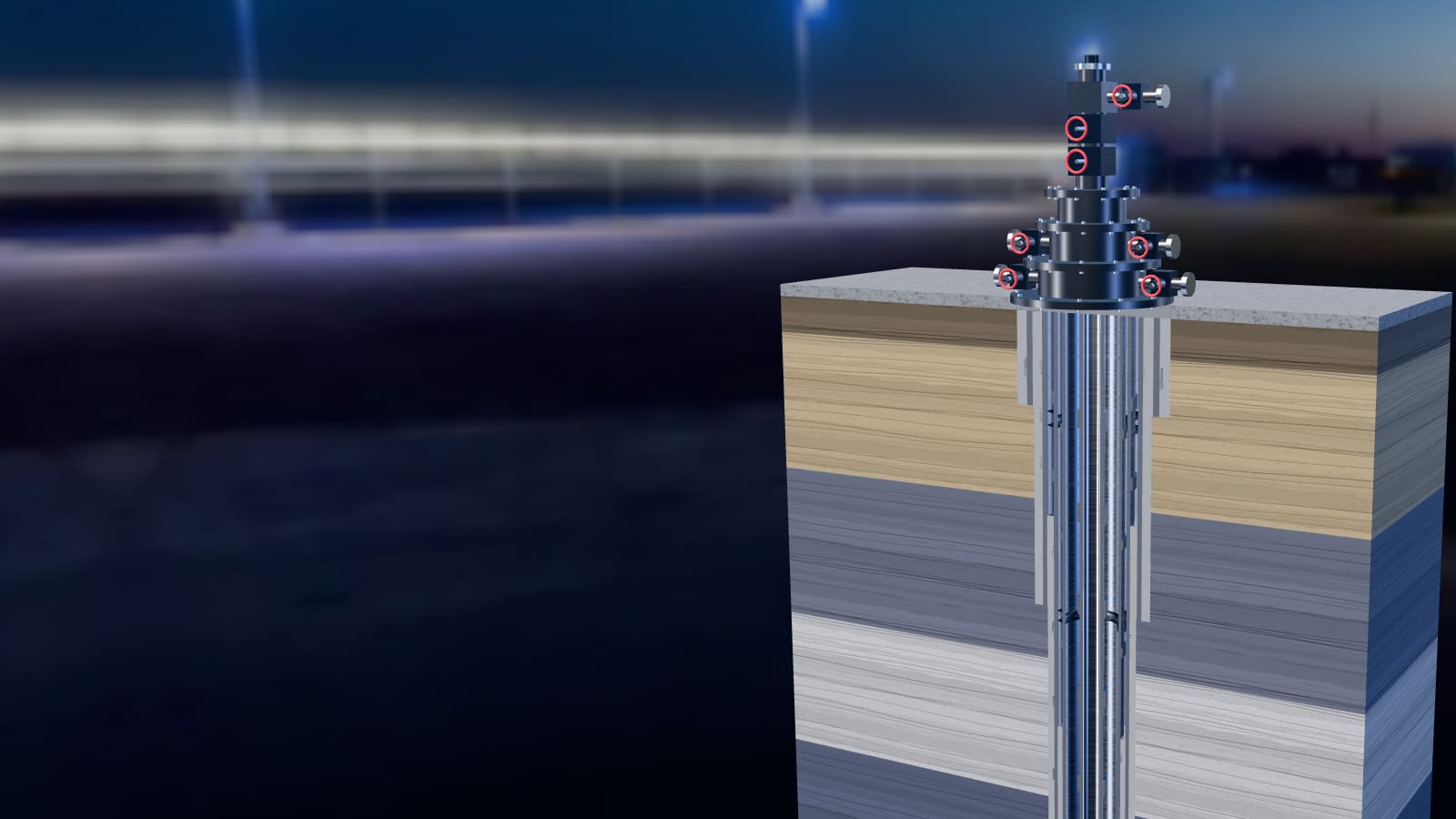
Services06Well plugging and abandonment
Retire the well so it stays retired.
A well at the end of its life has to be sealed for good. We design the plugging and abandonment, run it, and keep the record, barrier by barrier, so the well is safe, the liability is closed and the job is only done once.
- Who it is for
- Operators with wells at the end of their life, subsea, offshore or onshore
- Where we join
- From the first concept to the last plug in the field
- What you hold after
- A sealed well and a record you can walk back through
01Assess and design
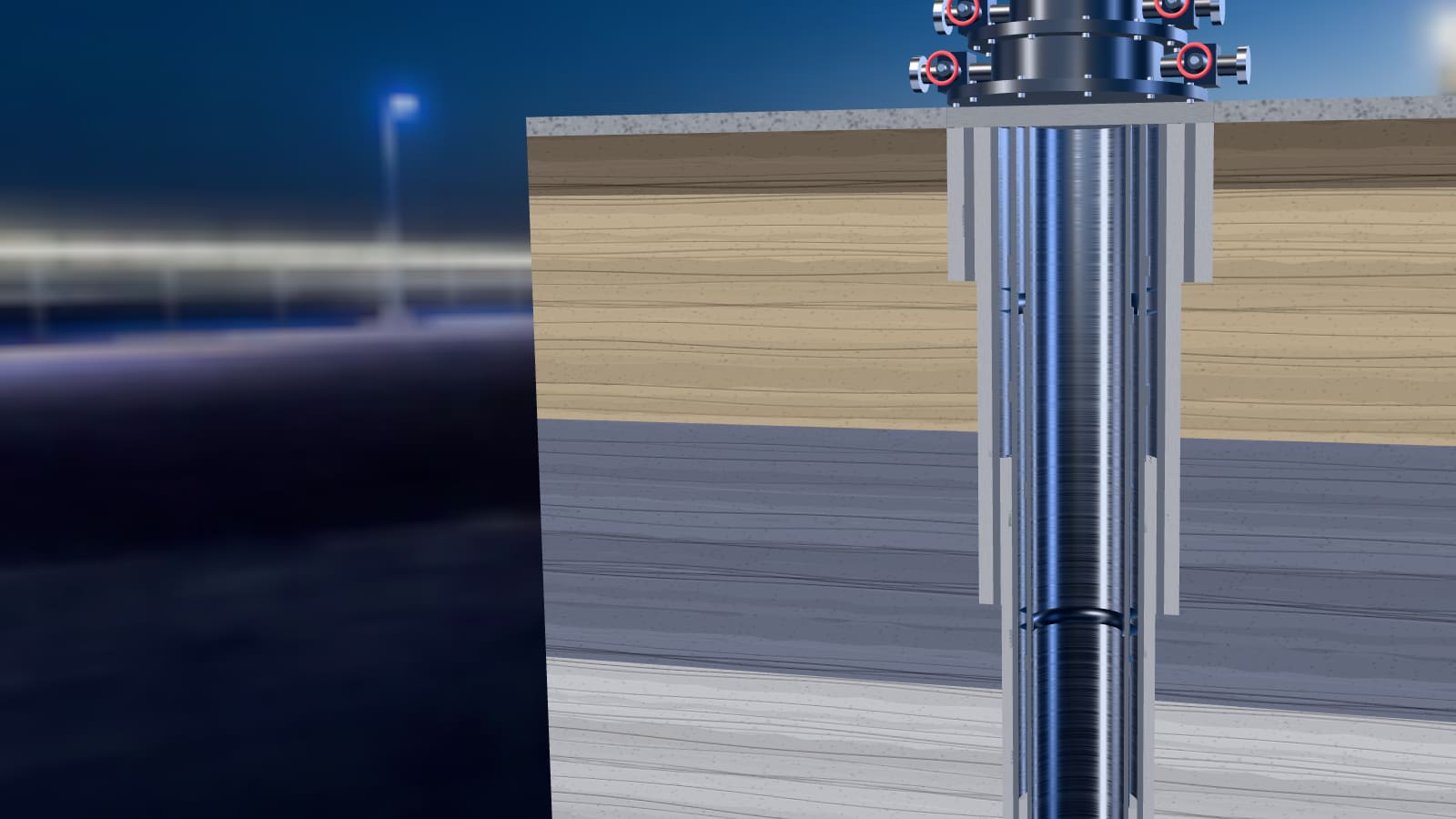
Pull the tubing, and plan every barrier before touching the rest.
We start with the wells themselves. Our data analysis reads the candidates and brings out what matters, before any design option is drawn. The design is then customised to the well, with every what-if case written down and a contingency for it.
- Candidate wells analysed first
- What-if scenarios, each with a contingency
- Customised, fit-for-purpose, cost-effective designs
02Plug
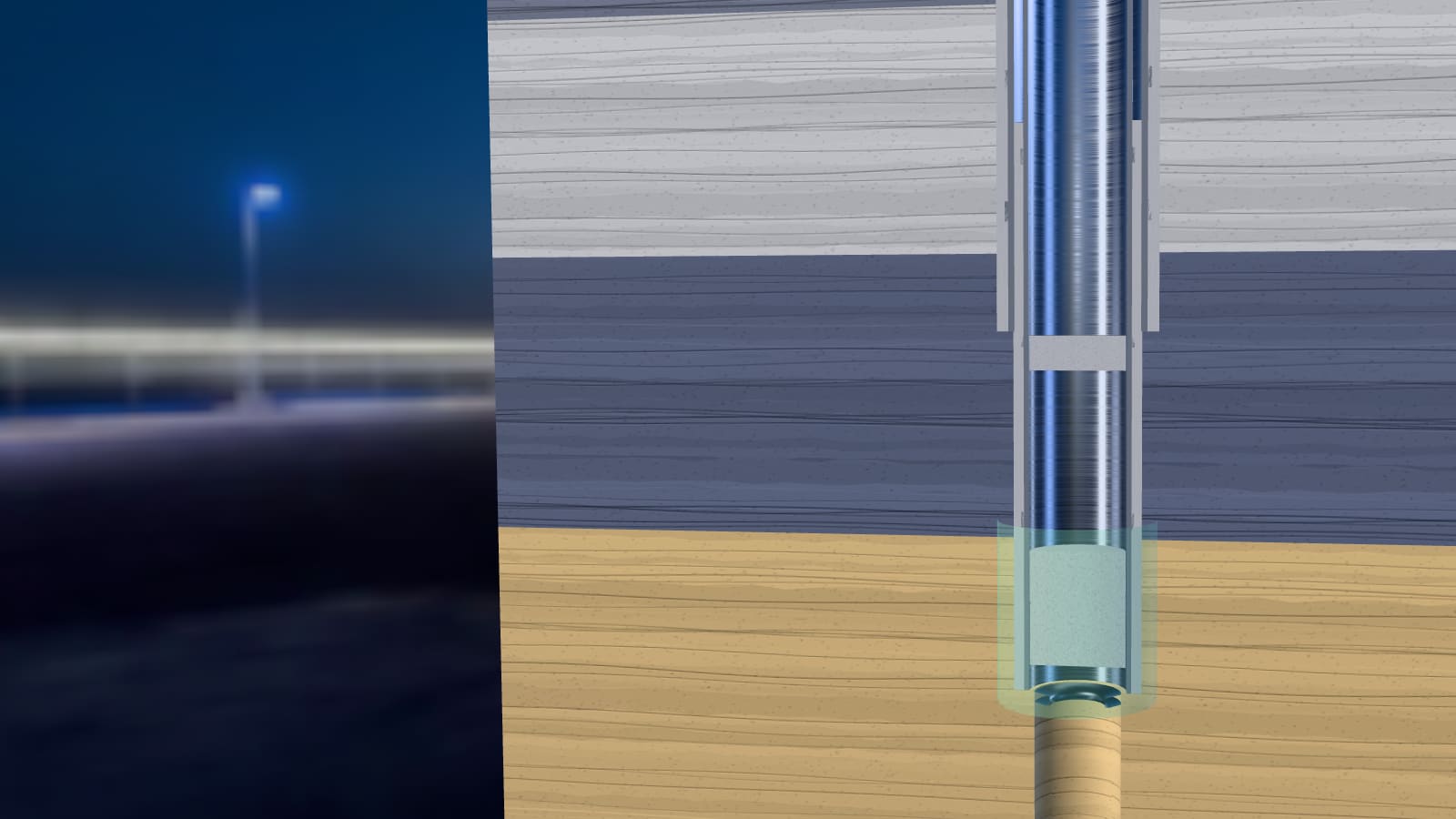
Set the barrier, then prove it is there.
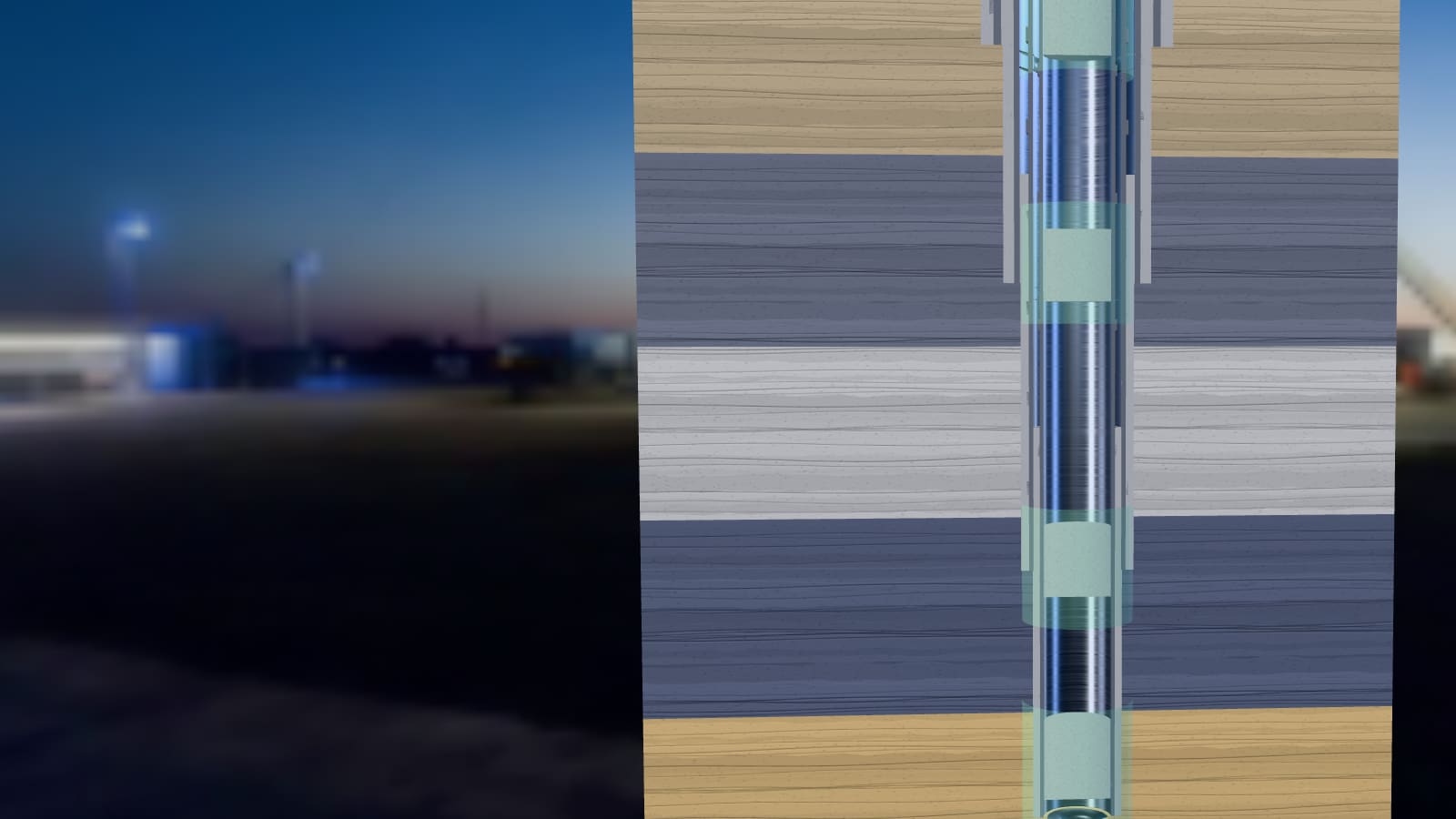
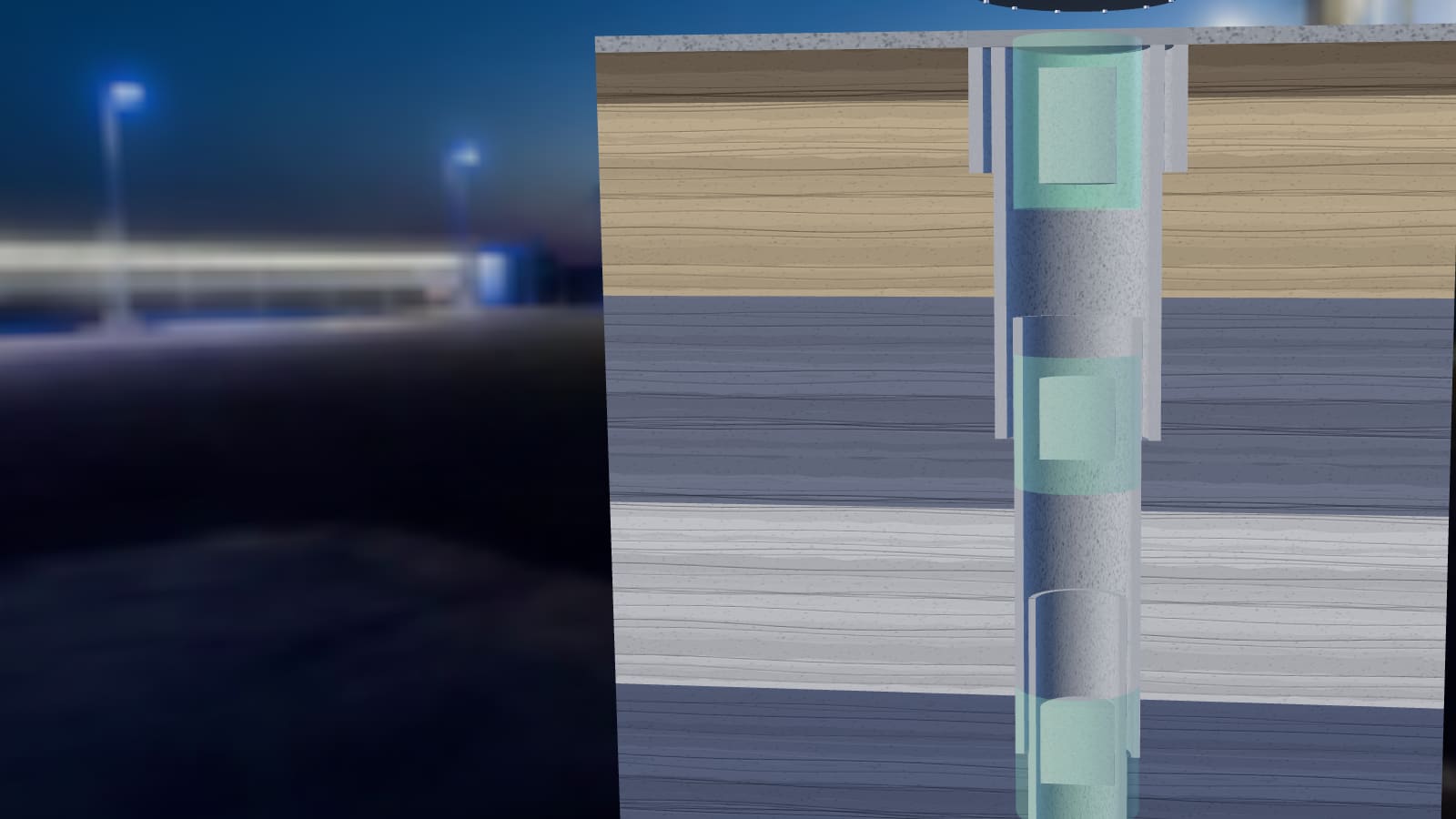
Cement plugs go in from the bottom up. Each is a barrier with an envelope around it, and none is accepted until it has been verified in place. Every reservoir has to be sealed off for good before the next step begins.
- Barriers placed and verified, before the next step
- Every reservoir permanently sealed off
03Pull
Take out what can come out.
With the barriers in, the casing and the wellhead come out. Each step is recorded as it happens, and real-time analytics give a benchmark to work against, so the saving is seen as the job is done.
- A clear record of every step
- Real-time benchmarking, for a step-change in cost
04Restore
Leave bare ground, and a record.
The hole closes and the surface is bare. What remains is the paper: a P&A timeline that you can walk back through whenever the question is asked, and the assurance that it went through Assess, Select, Define and Execute.
- Assess, Select, Define, Execute
- A timeline you can walk back through
The full picture
Five parts of a P&A, each one sealed.
Why wells are plugged, what a poor job costs, how we design and run it, and who does the work.
Why wells are plugged
- Maintenance cost
- A well that is no longer economic, or no longer safe, is sealed off for good so it stops costing money to look after.
- Regulation
- The rules require wells to be retired at the end of their lives, to the guidelines that apply.
- Liability
- Retiring a well reduces your liabilities in general, and your asset retirement obligation in particular.
- Integrity
- If a well’s integrity slips and is left, serious health, safety and environment problems follow, with large bills.
Sealed: a retired well stops costing money and carrying risk.
What a poor job costs
- If it leaks
- Depending on the well, a badly done P&A can let hydrocarbons flow to surface without control and pollute the environment.
- If it is redone
- Doing a P&A again is one of the most expensive things a well can ask of you. It has to be avoided.
Sealed: right, the first time, by the right people.
How we design it
- Read the wells first
- Our data analysis goes through the candidate wells and brings out what matters, before any P&A option is drawn.
- What-if scenarios
- The risk assessment walks through the cases that could happen, and a contingency is built in for each.
- Fit for purpose
- Each design is customised to its well, so it is cost-effective to carry out.
- Four gates
- Every P&A goes formally through Assess, Select, Define (the P&A programme) and Execute, so it is optimised at each step.
Sealed: nothing left to chance, not even the unexpected.
How we execute it and keep the record
- Barriers verified
- Before moving on, we check that each barrier is where it should be, and that every reservoir is sealed off for good.
- A record at every step
- Specialist data analytics keep a clear record, so an operator can walk back through the P&A timeline whenever it is needed.
- Real-time benchmarking
- Real-time analytics give a benchmark to work against, and a step-change in cost with each engagement.
Sealed: every barrier checked before the next step.
Who does it
- Every stage
- Our P&A team covers every stage, from first concept to execution in the field.
- Every kind of well
- Subsea, offshore and onshore wells, with UK and global experience, including the most challenging wells.
Sealed: concept to field, whatever the well.
Start
Send us the well list. We will tell you how we would close it.
A single well, a field, or a regulator’s deadline. We read what you have and say how we would design it. Every engagement is strictly confidential.